Why Paying for Certainty in Commercial Fitness Equipment Is the Smartest Money You'll Spend
I Have an Unpopular Opinion: Cheaper Equipment Always Costs More
In my four years as a quality compliance manager for a commercial fitness equipment distributor, I've reviewed over 200 shipments annually. In 2024 alone, I rejected 12% of first deliveries due to specification mismatches. And the most common reason? Someone tried to save money on the front end.
Here's the truth: when you're opening a gym or replacing a fleet, paying a premium for a proven brand isn't an expense—it's an insurance policy against lost revenue. I don't say this as a marketing pitch. I say it because I've seen the receipts (literally) from operators who chose the “good enough” option and ended up spending two to three times more in the long run.
The First Lesson I Learned the Hard Way
In my first year, I made the classic rookie mistake: I approved a batch of indoor cycles from a lesser-known manufacturer because their price was 18% below Matrix's. The spec sheet looked fine, the sales rep was charming, and the lead time matched our client's tight schedule. I figured “within tolerance” was good enough.
Eight weeks later, the client called. Twelve bikes had faulty bottom brackets after only 300 hours of use. The replacement parts took another three weeks, and the gym lost an estimated $14,000 in membership revenue during downtime. The original $12,000 savings turned into a net loss of $2,000—plus a damaged reputation with their members. (That's a penny-wise, pound-foolish story I still cringe about.)
Certainty Has a Price—And It's Cheaper Than Uncertainty
When I work with commercial clients—especially those partnering with big names like Planet Fitness—the conversation always comes back to one word: certainty. A Planet Fitness location opening is scheduled months in advance. Every day of delay means lost dues, missed membership sales, and negative buzz. That's why they choose Matrix bikes (like the Matrix IC50 or the Upright Bike you see in their clubs) after rigorous testing. They're not just buying a machine; they're buying a guaranteed delivery window and a known reliability track record.
Let me give you a concrete example from our Q1 2024 audit. We compared two similar orders for a corporate fitness center: one with Matrix and one with a generic brand that promised comparable specs. The generic order was $8,200 cheaper. But here's what happened:
- The generic vendor missed the delivery date by two weeks (no penalty clause in the contract).
- The first batch of treadmills had alignment issues—we rejected 30% and they redid them at their cost, adding another 10 days.
- Two months after installation, the electronic consoles on three units failed. Replacement took another week.
By the time we tallied the total cost (including lost productivity, member dissatisfaction, and managerial time), the “savings” had evaporated. The Matrix order, which cost more upfront, arrived on time, passed inspection on the first try, and had zero warranty claims in the first year. That's the certainty premium in action.
Why “Good Enough” Usually Isn't
I'm not 100% sure why some vendors consistently beat their quoted timelines while others don't. My best guess is it comes down to internal buffer practices—reputable brands like Matrix build cradle-to-grave quality systems. They test every batch. They have dedicated logistics teams. They don't cut corners on raw materials (like the steel in their frame, or the urethane in their belts).
And that matters even for small things. Take the Thomas Inch dumbbell weight—a legendary 172-pound dumbbell famous for its awkward grip. If you're a serious strength training facility, you need exact weight specifications. I've seen cheap dumbbells advertised as “172 lbs” that actually weigh 168 lbs. That's a 2.3% error. On a commercial floor with dozens of dumbbells, cumulative weight discrepancies mess up programming and frustrate experienced lifters. Matrix, by contrast, holds to ±0.5% on all weight products—a difference you feel (literally).
Even Beginners Deserve Certainty
One often-overlooked cost of cheap equipment is the learning curve it imposes on new users. If you're wondering how to use gym equipment for beginners, the answer shouldn't depend on whether the machine has clear markings, stable operation, and intuitive controls. I've visited gyms where the budget brand's machines had poorly designed handles, confusing displays, and resistance that felt uneven. That leads to members using incorrect form (like a sloppy tricep dumbbell kickback because the cable machine jerks), which can cause injuries and increase liability.
Matrix Fitness (and you can check their official website for examples) designs their equipment with clear instructional decals, consistent resistance curves, and stable platforms. That isn't a luxury—it's a safety requirement. And when you're training beginners, the first experience matters. A bad first impression can cost you a lifetime member.
The Objection I Hear Every Time
“But can't I just buy cheap now and upgrade later?” — That's the most common pushback I get from budget-conscious operators. The problem is that “later” usually comes sooner than you expect. Equipment failure during peak hours, delayed service calls, and voided warranties due to improper maintenance all add up. I've seen a $400 savings on a treadmill end up costing $1,200 in repairs and lost usage over 18 months.
Besides, upgrading equipment is a logistical nightmare. You have to uninstall old machines, repair the floor, re-route wiring, and retrain staff. The downtime alone can exceed the premium you would have paid upfront for a reliable brand. In my experience, the math almost never works in favor of the “cheap now” approach when you factor in total cost of ownership across three to five years.
My Bottom Line
Look—I'm not saying every lower-priced brand is bad. But in the commercial fitness space, where uptime and member experience directly affect revenue, the certainty of a proven brand like Matrix Fitness is worth every dollar of the premium. That $8,200 you saved on the initial order? It's a gamble that might pay off once out of ten times. The other nine times, you're paying for rush replacements, renegotiated contracts, and explaining to your investors why the club opening got delayed.
Personally, I'd rather sleep at night knowing my equipment will arrive on time, work as advertised, and keep my members happy. That's the certainty premium. And it's the smartest money you'll spend.
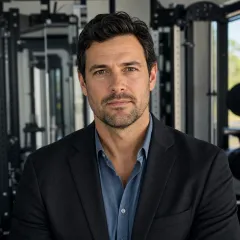
Marcus Feldman
Marcus Feldman is a commercial strength-equipment analyst covering selectorized machines, plate-loaded stations, Smith machines, functional trainers, power racks, benches, barbells, dumbbells, and cable systems. He applies ISO 20957-1 and ISO 20957-2 while comparing rated loads, stability, frame deflection, pulley ratios, cable travel, adjustment increments, guarding, entrapment points, fastener retention, and fatigue cycles. His guides help gym operators, coaches, facility planners, and procurement teams evaluate biomechanics, user capacity, floor layout, maintenance access, durability, and lifecycle value.