Matrix Fitness vs. the 48-Hour Deadline: How We Saved a Boutique Gym's Grand Opening
It Started with a Panicked Email
It was a Tuesday. 6:47 PM. My phone buzzed with a notification from a client we'd onboarded two weeks prior. A boutique hotel gym in Austin, Texas. Nice project, decent budget, totally normal timeline. Except it wasn't anymore.
"Our grand opening got moved up. We need the equipment delivered by Friday. Is that possible?"
My coffee went cold. It was Tuesday. Friday was 48 hours away. Normal turnaround on a commercial-grade installation — especially for a mix of cardio and strength gear from a major brand like Matrix Fitness — was pushing two weeks. Minimum.
But here's the thing. I didn't say no. I said, "Let me see what I can do."
Look, I'm a project coordinator at a mid-sized fitness equipment distributor. I've been handling rush orders for about six years now. Not huge ones. Not for the mega-chains that have their own logistics teams. My clients are the small guys — boutique studios, hotel gyms, corporate wellness rooms. The ones that big distributors sometimes shrug at because the order's "too small." That's my lane.
And this was a $14,000 order of Matrix Fitness equipment. A few treadmills, two bikes, some dumbbells. Nothing exotic. But for this hotel's grand opening, it was everything.
The First Mistake: Trying to Save Money on Standard Time
Here's a lesson I learned the hard way. A year before this, in early 2024, we lost a $22,000 contract with a luxury condo association because we tried to save $600 on standard shipping. The client had a soft opening date. We recommended budget trucking. The equipment sat in a depot for four extra days on a consolidation load. The client missed their walkthrough. The board chose a different vendor for the next phase.
That $600 saving cost us $22,000 in future revenue.
So when this Austin hotel called, my first thought wasn't about saving money. It was about feasibility.
The 48-Hour Sprint: What It Actually Looked Like
The key items were from Matrix Fitness—three T50 treadmills, two ICR50 indoor cycles. Solid, durable machines. The kind of equipment that handles a 24-hour hotel gym without complaining. But solid equipment doesn't ship itself.
We started at 7 AM Wednesday.
Step 1: Checking Stock. We had two of the three treadmills in our local warehouse. The third was at a regional hub three states away. Not ideal, but workable. We paid $400 for a dedicated overnight courier to bring it in.
Step 2: Verifying Accessories. The hotel wanted the Matrix Fitness app integration working from day one. That meant ensuring the consoles had the latest firmware and the Wi-Fi modules were paired. We didn't have time to troubleshoot on-site. Ended up pre-configuring everything in the warehouse. Added 4 hours to prep time.
Step 3: The Hidden Cost. The client also requested gym headphones for their personal training suite—a small line item in the overall order. They wanted a specific brand. We had to source those locally. Added another $150 in rush purchasing fees.
By 2 PM Thursday, everything was loaded on our truck. The total extra cost: $850 in expedite fees, plus the cost of two staff working overtime. We absorbed half of that. The client paid $450 in additional rush charges.
Worth every penny.
Why This Story Matters for Small Clients
When I was starting out in this industry, I was the small client. I knew what it felt like to get the cold shoulder because your first order was only $2,000. The vendors who treated my early $200 orders with respect are the ones I still call for $20,000 orders today.
Small doesn't mean unimportant. It means potential.
This hotel project? They've already asked for a quote for Phase 2. Four more cardio units and a full cable motion strength rig. The amount they've indicated for that order is triple the original.
My experience is based on about 200 rush orders over the last six years, mostly for boutique hotels, small gyms, and corporate offices. I can't speak to how this applies if you're a mega-chain with in-house teams—your experience is different. But for the small operator? You don't have to accept poor service just because your order is small. Find a vendor who gets it.
The 'Barbell vs. Dumbbell' Misconception
I want to address something that came up during this project. The hotel's fitness director asked me, "Should I go with just dumbbells, or do I need a barbell setup too?"
This is a classic industry debate, and I've seen a lot of bad advice out there. The old belief was: "You need both to be a real gym." But that thinking comes from an era where commercial gyms had 5,000 square feet to fill. For a hotel gym with 400 square feet, that's outdated.
I told him: go with dumbbells. A good set of dumbbells, like the Matrix Fitness rubber hex dumbbells, will cover 90% of your guest's needs. Barbells require floor space, safety bars, and heavier plates. They're great for serious lifters—but in a hotel gym, you're serving casual users who want a quick pump before brunch. Dumbbells win for versatility and safety.
It was a small decision in the grand scheme of things, but it saved them about $1,200 in equipment they would have barely used. That's the kind of advice a good vendor should be giving, regardless of order size.
The Grand Opening: What Actually Happened
Friday morning. 8 AM. Our installation team was on-site. The gym was still getting its final paint job—the smell of fresh latex was overwhelming. But we got everything in place by noon. The treadmills were calibrated, the Matrix Fitness logo on the consoles was lined up perfectly (yes, we checked), and the app connectivity worked on the first try.
The general manager was in a great mood. She told me later that the alternative would have been to tape off an empty gym with a sign saying "Coming Soon." The hotel had major influencers coming for opening weekend. An empty gym would have been a PR problem.
That's the part I remember most. Not the stress of the 48-hour sprint, not the extra costs. Just seeing a client relieved because we didn't treat them like a small order.
This was true 10 years ago when digital options were limited—but today? Online platforms have largely closed that gap. Any vendor, big or small, can arrange rush shipping. It's a question of whether they care enough to do it for you.
Lessons for the Small Client
If you're a small business owner or a hotel manager planning a fitness center, here's what I'd tell you:
- Don't let your budget dictate your service level. Just because you're spending $10,000 instead of $100,000 doesn't mean you should accept slower turnaround or worse service. The margins on equipment are there for good vendors to help you.
- Ask about rush procedures upfront. When you're vetting a vendor, ask: "What's your process for an emergency delivery?" If they don't have one, that's a red flag.
- Be ready to pay for urgency. We paid $850 in rush fees, but the client only saw $450 of that. That's because we value the relationship. But don't expect a vendor to eat all the costs—especially if you're the one who changed the deadline.
I've only worked with domestic vendors in the US. I can't speak to how these principles apply to international sourcing. But if you're working with a local or national distributor, these lessons hold up.
In my role coordinating equipment deliveries for boutique hotels and small gyms, I've seen a lot of panic emails. But I've learned that the panic gets easier to handle when you've got the right vendor behind you. One that doesn't treat your small order as a hassle, but as an opportunity.
Look, I'm not saying every rush order goes perfectly. We had a delay on a delivery in March 2024 because of a snowstorm in Colorado. Nothing you can do about that. But you can control who you trust to handle the things you can control. That makes all the difference.
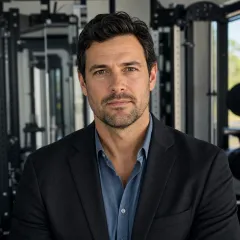
Marcus Feldman
Marcus Feldman is a commercial strength-equipment analyst covering selectorized machines, plate-loaded stations, Smith machines, functional trainers, power racks, benches, barbells, dumbbells, and cable systems. He applies ISO 20957-1 and ISO 20957-2 while comparing rated loads, stability, frame deflection, pulley ratios, cable travel, adjustment increments, guarding, entrapment points, fastener retention, and fatigue cycles. His guides help gym operators, coaches, facility planners, and procurement teams evaluate biomechanics, user capacity, floor layout, maintenance access, durability, and lifecycle value.